Textile Classroom | The Beauty of Lace: Historical Inheritance and Craft Innovation
author: Fujian Textile Engineering Society
2025-02-25
Lace is a classic element in the fashion world, conquering the hearts of countless people with its romantic, aesthetic style and highlighting the quality of fashion through fine fabrics. From the decorations of European aristocrats to the regulars on today's fashion stage, lace carries the double charm of history and art. Whether it is the reproduction of classical style or the innovation of modern design, lace plays an irreplaceable role in the field of fashion, symbolizing the romantic, luxurious and feminine aesthetic expression.
“The Origin of Lace”
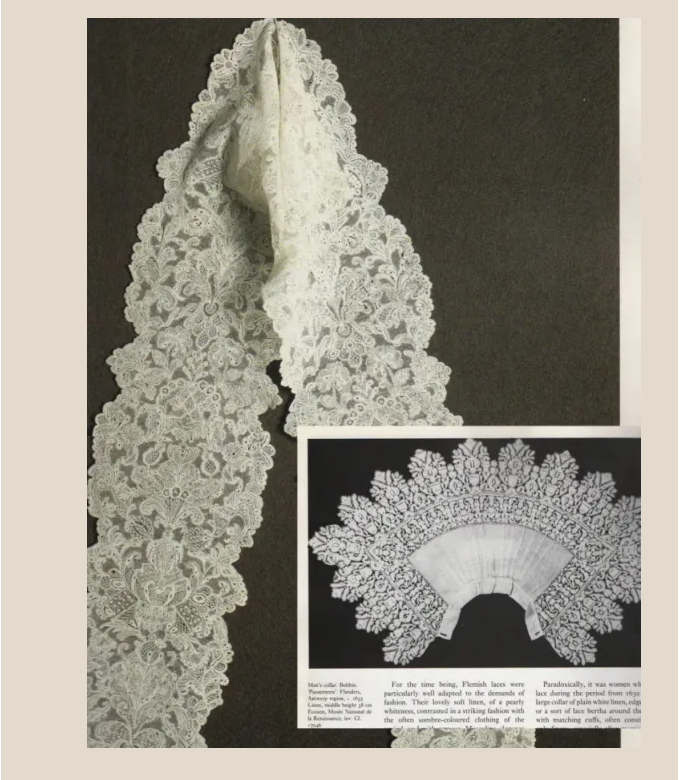
Lace, a word derived from the English word “lace”, means lace or ribbon. The origins of lace can be traced back to the ancient Egyptian period, while the widely recognized lace products originated in the 14th century in Flanders, Europe.
Lace, a word derived from the English word “lace”, means lace or ribbon. The origins of lace can be traced back to the ancient Egyptian period, while the widely recognized lace products originated in the 14th century in Flanders, Europe.
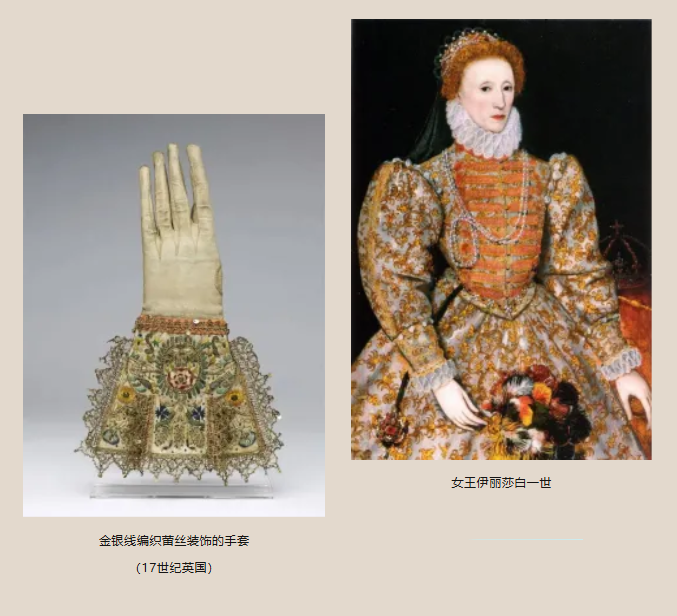
Lace initially debuted as a hand-woven work of art, mainly made of linen thread, silk, and even gold and silver thread. Due to the complexity of the production, exquisite craftsmanship, with the social and cultural integration, lace began to be widely used in clothing, became an important symbol of the status of the European upper class, especially at the beginning of the 16th century, Queen Elizabeth I of England is particularly fond of lace, not only to promote the development of lace, but also through the lifting of some of the restrictions on the law of luxury to promote the import of lace, so that the popularity of this exquisite fabric more.
By the 18th century, the popularity of Baroque and Rococo art styles further contributed to the popularity of lace in fashion. However, the abolition of the hierarchy after the French Revolution led to the closure of many lace factories. But Empress Josephine's love of ornate clothing rekindled the lace industry. With the advent of the Industrial Revolution, lace production shifted from handmade to mechanized.
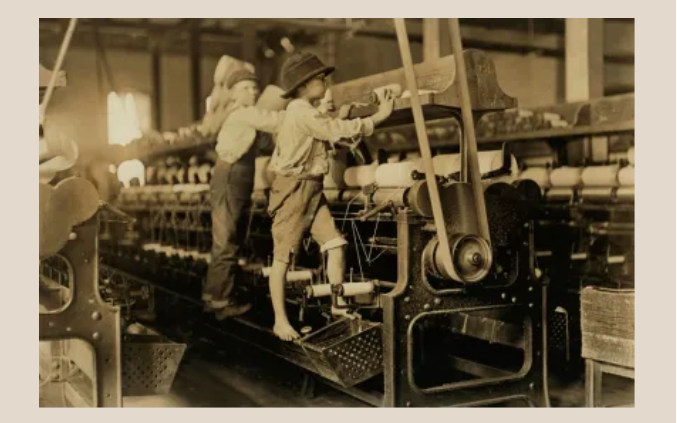
In the 19th century, the invention of the bobbin and jacquard machines dramatically lowered the cost of lace production, making this luxury product once reserved for the aristocracy gradually become commonplace.
In the 20th century, the production process of lace was further developed, from machine manufacturing to automated computerized weaving, lace colors and styles became more abundant, and became one of the indispensable fabrics in the fashion industry.
“Lace Material and Craftsmanship”
Lace is often made of nylon, polyester, cotton yarn and rayon as the main raw material, supplemented by spandex silk or elastic silk, forming a unique sense of lightness and openwork effect. Lace weaving process is rich and varied, mainly including crochet lace, knotted lace, embroidered mesh lace, ribbed lace and lace and so on.
1. Lace classification
(1) Elastic lace fabrics
Main components: brocade ammonia, polyester ammonia, brocade cotton ammonia and so on.
Characteristics: elastic lace is generally made of nylon as the main ingredient, which has significant combustion characteristics. When the flame is close to, nylon fast shrinkage and melting until burning, burning speed. Nylon is soft to the touch and has a better texture; after adding spandex it is more elastic and has a smoother feel.
Lace is often made of nylon, polyester, cotton yarn and rayon as the main raw material, supplemented by spandex silk or elastic silk, forming a unique sense of lightness and openwork effect. Lace weaving process is rich and varied, mainly including crochet lace, knotted lace, embroidered mesh lace, ribbed lace and lace and so on.
1. Lace classification
(1) Elastic lace fabrics
Main components: brocade ammonia, polyester ammonia, brocade cotton ammonia and so on.
Characteristics: elastic lace is generally made of nylon as the main ingredient, which has significant combustion characteristics. When the flame is close to, nylon fast shrinkage and melting until burning, burning speed. Nylon is soft to the touch and has a better texture; after adding spandex it is more elastic and has a smoother feel.
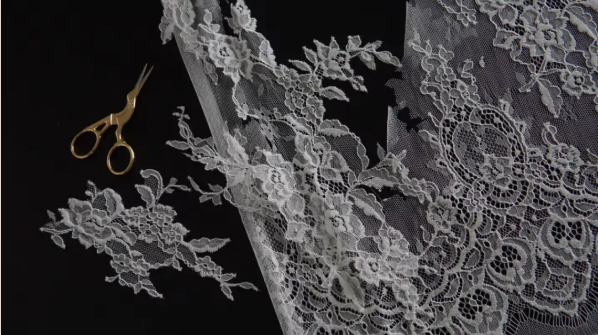
(2) Non-stretch lace fabrics
Main components: all-nylon, all-polyester, brocade cotton, polyester-cotton, all-cotton and so on.
Characteristics: Non-stretch lace has a wide variety of components, of which all-polyester, all-nylon, all-cotton are generally dyed in a single color, while brocade cotton and polyester-cotton can be dyed in two colors. Polyester lace is stiff to the touch and easy to recognize. Cotton fabrics usually feel better but are more expensive.
Main components: all-nylon, all-polyester, brocade cotton, polyester-cotton, all-cotton and so on.
Characteristics: Non-stretch lace has a wide variety of components, of which all-polyester, all-nylon, all-cotton are generally dyed in a single color, while brocade cotton and polyester-cotton can be dyed in two colors. Polyester lace is stiff to the touch and easy to recognize. Cotton fabrics usually feel better but are more expensive.
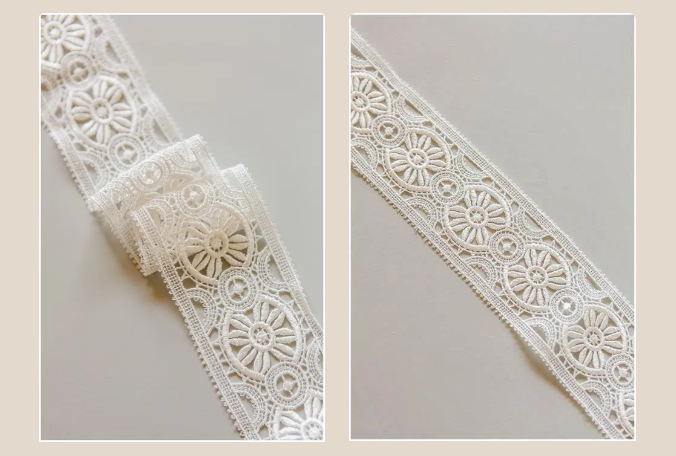
2.Lace Craft
Water-soluble lace
Production process: use polyester thread or viscose filament to weave lace patterns on the lining paper, and when finished, dissolve the lining paper with hot water, leaving the body of the lace. Compared with ordinary lace, water-soluble lace has more stitches and is more expensive.
Water-soluble lace
Production process: use polyester thread or viscose filament to weave lace patterns on the lining paper, and when finished, dissolve the lining paper with hot water, leaving the body of the lace. Compared with ordinary lace, water-soluble lace has more stitches and is more expensive.
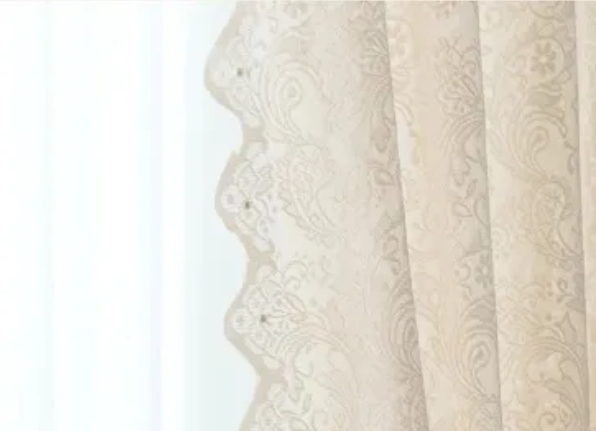
Warp Knit Lace
Characteristics: Non-stretch lace is generally thinner, but some styles are stiffer and may feel sticky when in contact with the skin. Comparatively, stretchy ones such as brocade are more comfortable.
Characteristics: Non-stretch lace is generally thinner, but some styles are stiffer and may feel sticky when in contact with the skin. Comparatively, stretchy ones such as brocade are more comfortable.
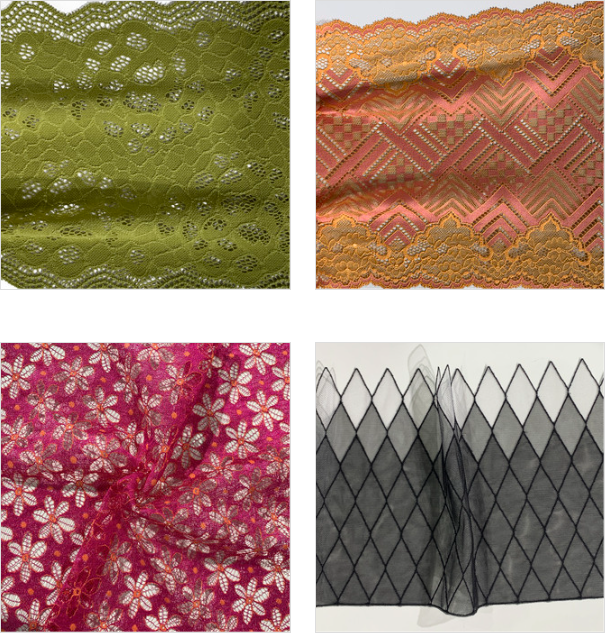
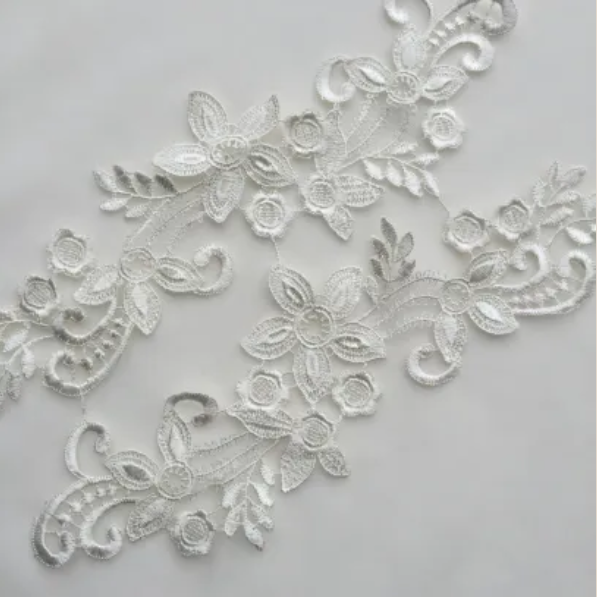
Crochet Lace
Characteristics: make the flower pattern more delicate and three-dimensional sense, often used in women's clothing ethnic and resort style design.
Characteristics: make the flower pattern more delicate and three-dimensional sense, often used in women's clothing ethnic and resort style design.
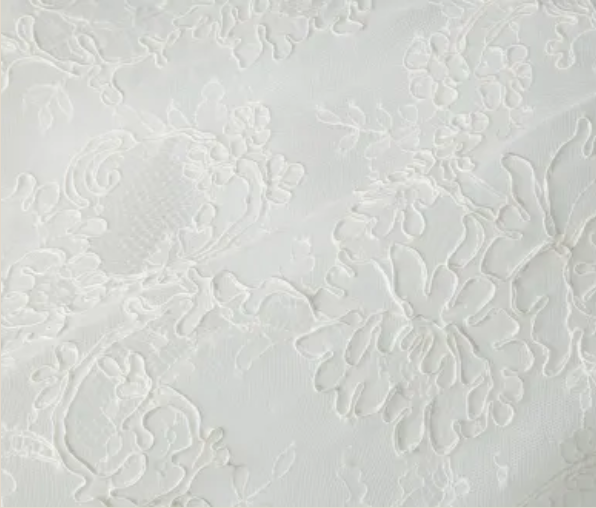
Printed Lace
Features: Printed patterns on lace fabric add visual variety and layers.
Features: Printed patterns on lace fabric add visual variety and layers.
“The application of lace fabrics in the fashion industry”
Lace fabrics are widely used in all kinds of clothing designs due to their unique beauty and rich layering. Whether it is an elegant wedding dress or fashionable urban clothing, lace can add romance and personality to each piece.
Lace fabrics are widely used in all kinds of clothing designs due to their unique beauty and rich layering. Whether it is an elegant wedding dress or fashionable urban clothing, lace can add romance and personality to each piece.
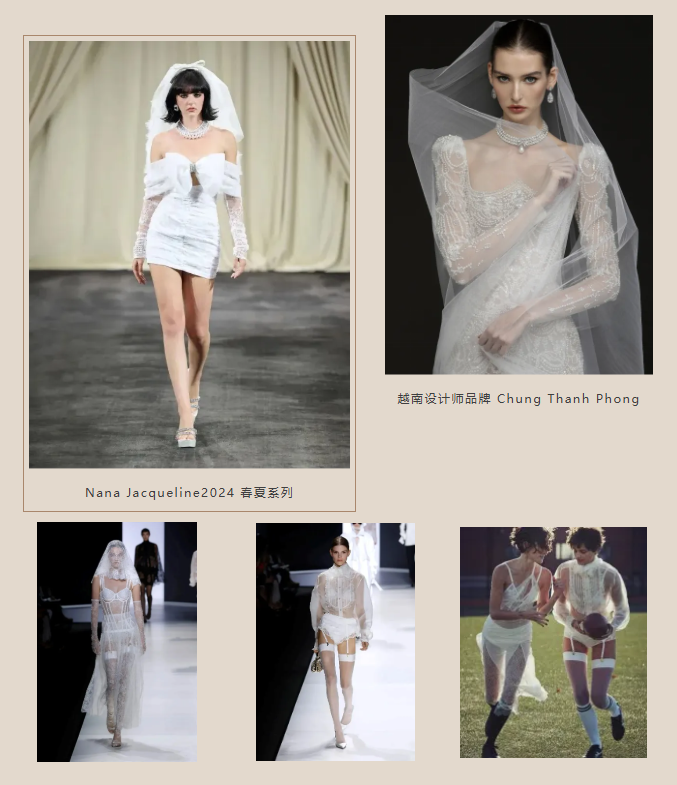
1. Elegant Retro
Typical features: Lace is used in details such as hemlines, necklines and cuffs to create a retro and elegant atmosphere, commonly found in wedding and evening dresses, emphasizing the softness and romance of women.
2. Modern City
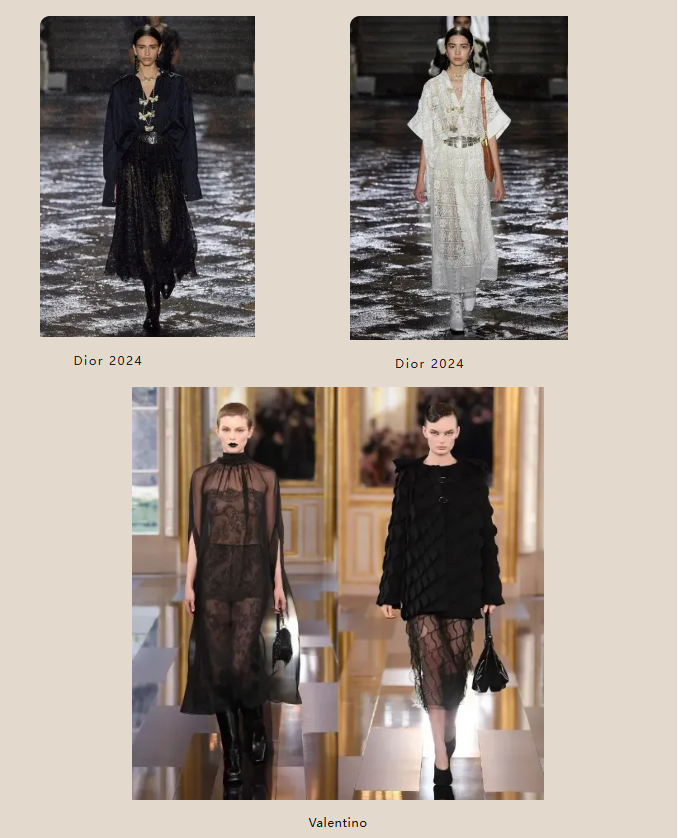
Typical features: the combination of lace and modern tailoring and exquisite design, to show the unique charm of women and elegant temperament, suitable for dinner parties, workplace and formal occasions, commonly found in lace shirts and dresses, reflecting the fashion avant-garde and self-confidence.
Lace, as a combination of history and craftsmanship, has always occupied a unique position in the fashion world. Not only does it carry an ancient cultural heritage, but it is also revitalized through modern design. From retro elegance to modern urbanity, lace is constantly being revitalized. In the future, it will continue to set trends and convey unique emotions and stories.
Fashion Trends - The Lace Winds Blowing Again
Lace Trends and Applications in 2025