
Fabric Encyclopedia | As delicate as lace, it was once banned by kings!
author: Spun One Fashion
2025-04-07
LACE
Lace stands out in the flood of history, or noble and magnificent, or pure and romantic, or elegant and high-end, or charming and sexy, it is a thin and soft state, almost carrying people about the beauty and romance of all the imagination and expectations.
But for such a delicate thing, how much do you know? In this issue, we will enter the world of lace, together to explore its origin and history.
1
Permeable Textiles - Lace
LACE PRODUCTS”
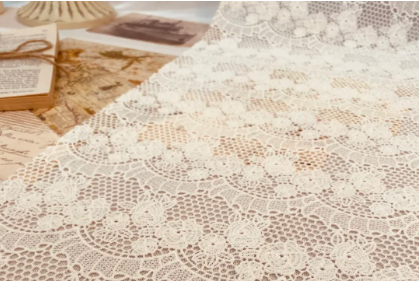
Lace is a perforated textile characterized by intricate openwork patterns formed by interlocking knots, interlacing and weaving of threads.
It originated in the 15th century in the aristocracy, is the noblewoman to spend time in the boudoir and the invention of handmade fabrics. Early lace is mainly knotted and twisted with each other, twisted, even a simple pattern requires women workers to spend a month to complete, belonging to the extremely labor-intensive expensive products.
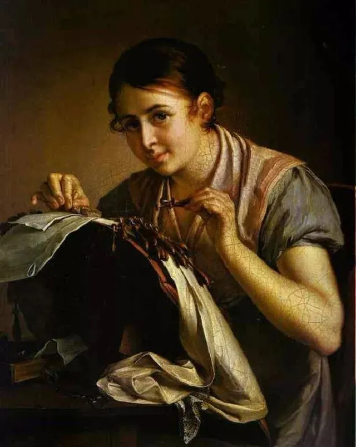
In the 16th century, along with the rise of decorative arts in clothing, the gorgeous and delicate, layered lace became an indispensable luxury element in the clothing of the aristocracy and became popular in the high society of European countries.
Over time, the beauty of lace, light and complex to attract more and more people's attention, in the Baroque art and Rococo prevailing trend, lace really came to the fore, quickly popular throughout Europe.
2
Lace that's as good as gold
EXPENSIVE LACE”
Known as the “visual perfume” of lace, was also banned by the British and French orders.
The 16th century French court, set off a wave of lace trend. The aristocracy are immensely sought after complex and gorgeous lace products, from women to children, and then to men, are proud to wear lace jewelry, lace gradually appeared in the clothing of the court portrait.
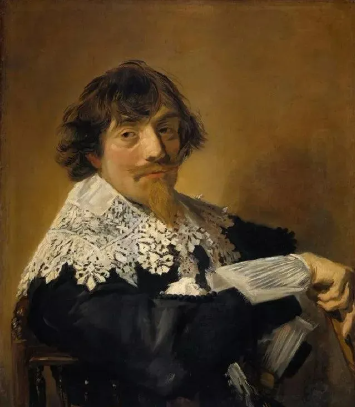
However, lace is very expensive, and it costs a lot of money to buy it. In order to stabilize the social order, King Louis XIII of France issued a “ban on extravagance” after he came to power, and completely banned the wearing of lace in April 1636, and offenders would be confiscated clothes and fined to be expelled from the country.
Shortly thereafter, in order to protect their own lace industry, saving the treasury, Britain also promulgated a ban on the import of lace decree.
But this, on the contrary, lace has become more precious and mysterious, more attractive, lace was once comparable to hard currency, some people even take the risk of smuggling from abroad.
3
Modern Application of Lace
MODERN APPLICATION OF LACE”
To the 19th century, the British Robert first machine-made lace. From then on, lace manufacturing entered the era of machine production, lace also began to be exclusive to the court of the royal family to slowly enter the common people's homes, becoming a product within reach of everyone.
From the 20th century to the present, lace has never lost its light in the fashion world, and it is still one of the design elements favored by designers. From ready-to-wear, to luxury, to current fast fashion, they have always maintained an intimate relationship with lace.
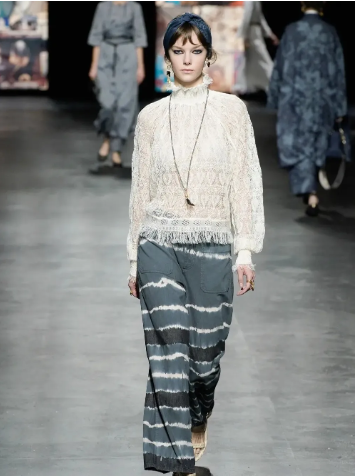
Sexy or sexy, you can leave it all to the romantic lace.
This year's hottest “lace wear”, let you spring beauty new heights!